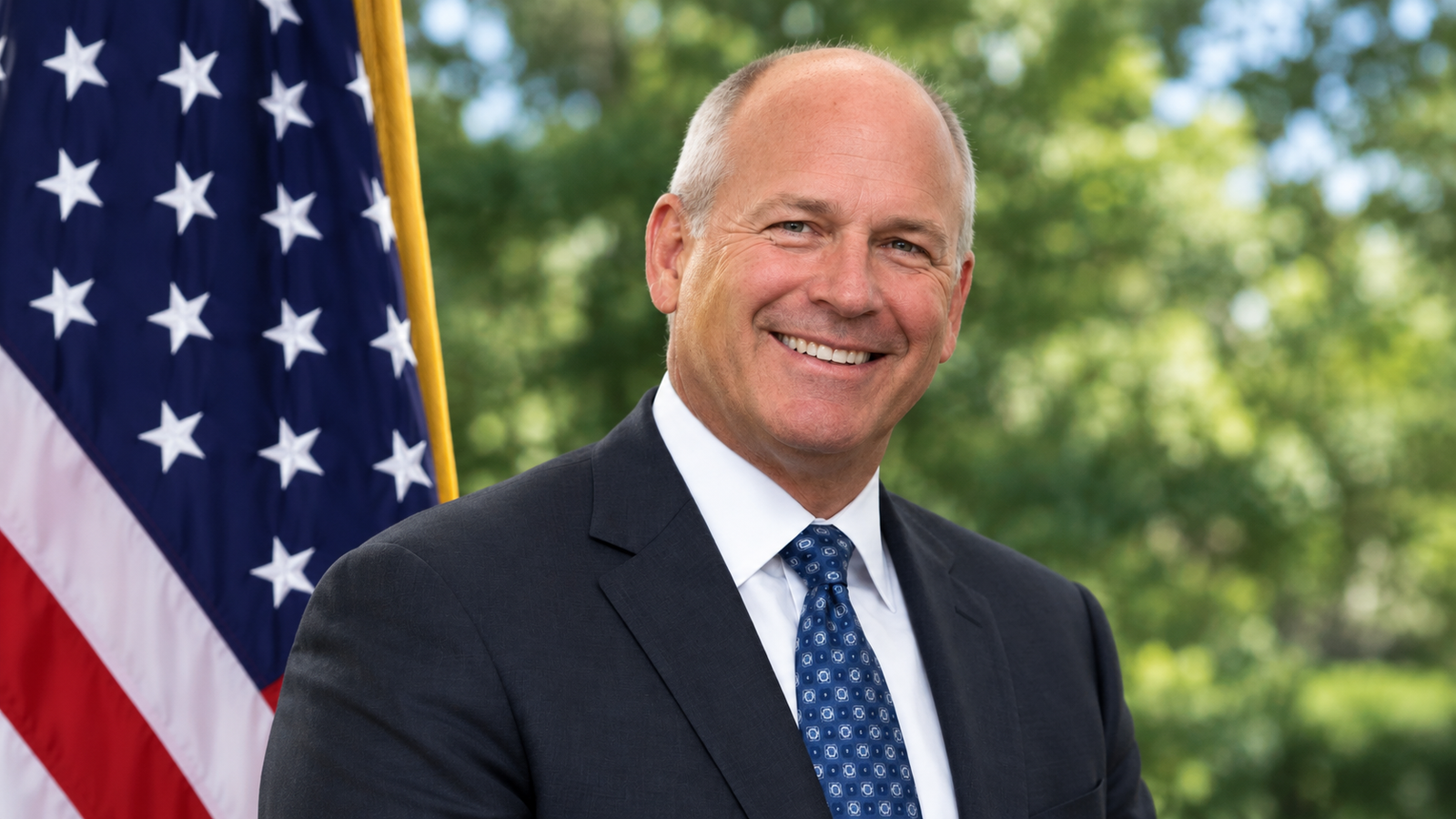
David Calhoun and David Zaslav are American business executives known for leading major companies through periods of significant change. David Calhoun served as CEO of Boeing, while David Zaslav led Discovery Communications and Warner Bros. Discovery. Their careers offer valuable insights into corporate leadership, strategic decision-making, and the challenges of managing large organizations.
Who Is David Calhoun?
David Calhoun is an American business executive who served as Boeing’s president and CEO from January 2020 until August 2024. His career included senior leadership positions at General Electric and Nielsen. His time at Boeing coincided with major challenges involving aircraft safety, manufacturing quality, and regulatory oversight.
Table of Contents
Who Is David Zaslav?
David Zaslav is an American media executive who became CEO of Discovery Communications in 2007 and later led Warner Bros. Discovery from its formation in April 2022 until October 2026. His career has focused on television, media distribution, streaming, and corporate strategy.
David Calhoun and David Zaslav: Leadership Compared
David Calhoun and David Zaslav worked in different industries but faced the challenges of leading large corporations under public scrutiny. Calhoun’s leadership focused on aerospace manufacturing and safety, while Zaslav’s responsibilities involved entertainment, streaming competition, corporate restructuring, and financial performance.
Their careers demonstrate the importance of strategic planning, accountability, stakeholder relationships, and adapting to changing market conditions.
Leadership Challenges Faced by David Calhoun
Calhoun became Boeing’s CEO during a period when the company was attempting to rebuild confidence following the 737 MAX crisis. The two fatal crashes involving the aircraft in 2018 and 2019 had raised serious questions about aircraft design, certification, and safety oversight.
During his tenure, Boeing worked to restore confidence among regulators, airlines, employees, and passengers. The company also faced production and manufacturing concerns that affected its reputation and operations.
In January 2024, a door-plug panel separated from a Boeing 737-9 MAX aircraft operated by Alaska Airlines during flight. The incident led to additional regulatory scrutiny and renewed questions about manufacturing quality and production oversight.
Calhoun announced in March 2024 that he would step down as CEO at the end of that year. Boeing subsequently appointed Kelly Ortberg as his successor, who took over in August 2024.
Calhoun’s tenure demonstrates how difficult it can be for a chief executive to rebuild confidence in an organization facing serious operational and reputational challenges.
Leadership Challenges Faced by David Zaslav
David Zaslav faced a different set of challenges after the formation of Warner Bros. Discovery. The merger combined two major media businesses at a time when traditional cable television was experiencing pressure and streaming services were competing aggressively for subscribers.
The new company also faced significant debt obligations and the challenge of integrating different corporate structures and programming portfolios.
Warner Bros. Discovery pursued cost reductions, organizational changes, and a revised streaming strategy. These decisions attracted criticism from some entertainment professionals and audiences, particularly when projects were canceled or content was removed from distribution.
Supporters argued that the company needed stronger financial discipline, while critics questioned whether some decisions could harm creative relationships and the long-term value of its brands.
In October 2026, Paramount completed its acquisition of Warner Bros. Discovery, and Zaslav’s employment with WBD ended on October 6, 2026. His tenure is therefore best understood as part of the company’s history rather than as its current leadership.
What Their Careers Teach About Business Leadership
The careers of David Calhoun and David Zaslav demonstrate that executive leadership is not simply about increasing revenue or reducing expenses. Leaders must understand the risks, responsibilities, and expectations specific to their industries.
For Boeing, safety, engineering quality, and manufacturing consistency are fundamental to long-term success. For Warner Bros. Discovery, the ability to produce appealing content, manage costs, retain audiences, and adapt to new distribution models is essential.
Both cases also show that corporate decisions can have consequences beyond financial statements. They affect employees, customers, investors, suppliers, creative professionals, and public confidence.
A company’s reputation takes time to build and can be damaged quickly when important expectations are not met. Rebuilding trust requires consistent action, transparent communication, effective oversight, and measurable improvements.
Conclusion
David Calhoun and David Zaslav built careers as senior executives in two influential American industries. Calhoun led Boeing through a difficult period involving aircraft safety, manufacturing concerns, and regulatory scrutiny. Zaslav led Discovery Communications and later Warner Bros. Discovery through acquisitions, streaming competition, financial restructuring, and significant changes in the entertainment market.
Their experiences illustrate the complexity of managing large organizations in changing business environments. Although their responsibilities and industries differed, both careers highlight the importance of strategic judgment, accountability, operational performance, and public trust.
For readers interested in business leadership, David Calhoun and David Zaslav offer two distinct examples of the pressures and responsibilities that come with leading major companies.
About the Author