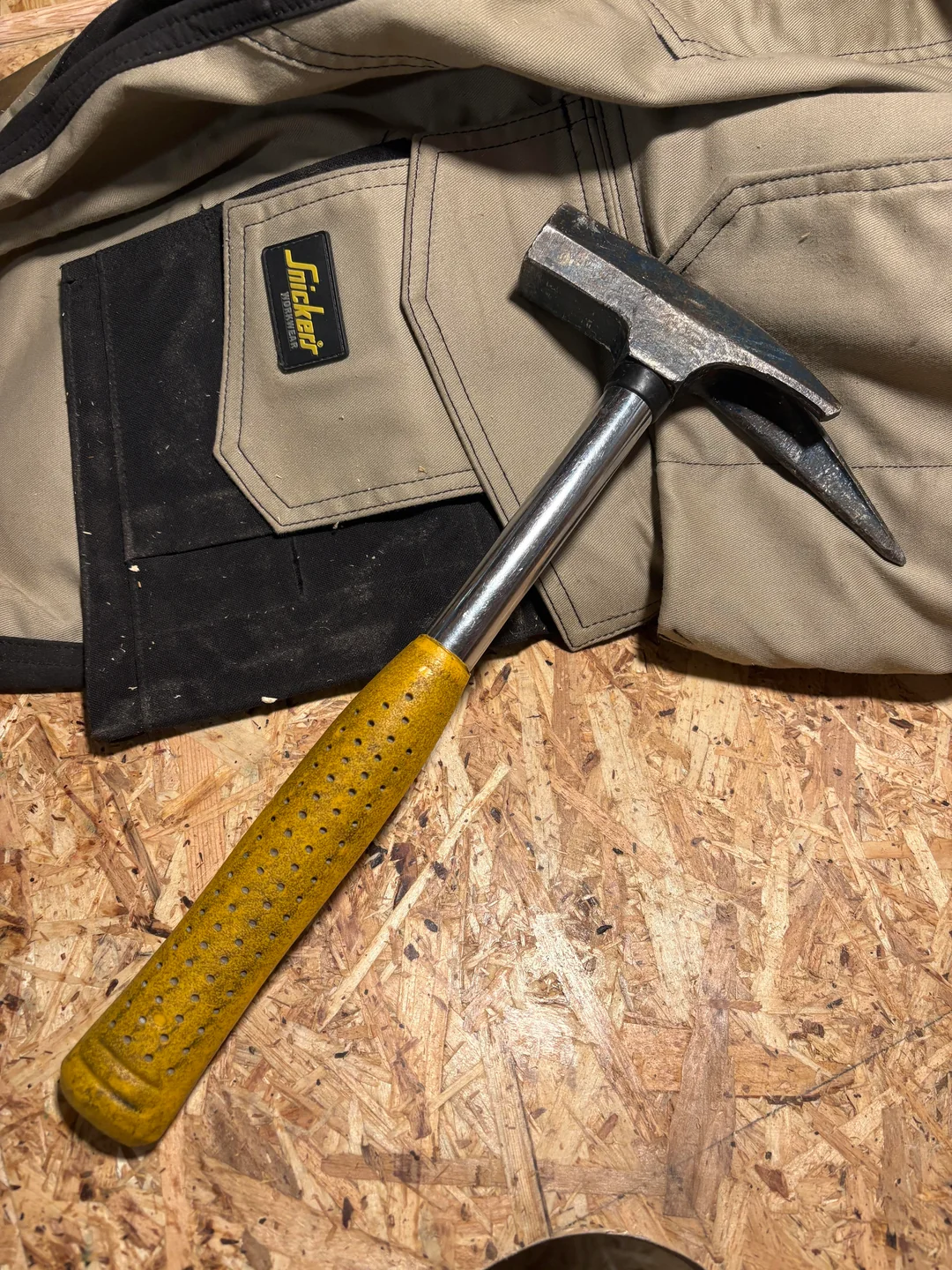
The Picard Full-Steel Rip Hammer is a steel-handled carpentry tool for driving and removing nails. PICARD Picard Full-Steel Rip Hammer offers different versions, including the 595 series with a two-component grip and the 795 series with a leather grip. Both have plain-face and checked-face options.
The exact model matters when buying this hammer. Similar names can hide differences in grip, finish, and total weight. Some sales pages also use weight labels that are difficult to compare.
This guide explains the published specifications, what the main features do, and what to check before choosing a model. It is based on product information rather than a hands-on test.
What Is a Rip Hammer?
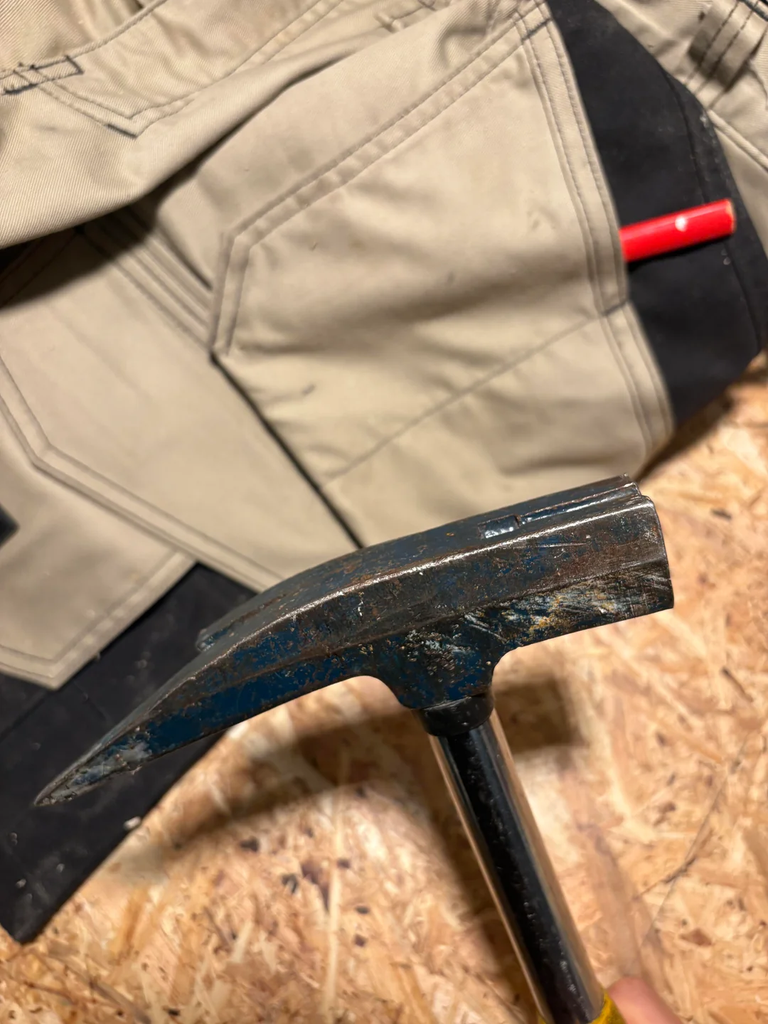
A rip hammer is a type of claw hammer with a relatively straight claw behind the striking head.
The face drives nails into wood. The split claw grips nail heads so you can pull them out. Its shape also helps with some wood removal tasks.
A rip hammer is often associated with carpentry and construction. However, it should not replace a dedicated pry bar for work that requires heavy force.
The right hammer depends on the job. A tool suited to rough timber work may feel too heavy for small repairs or careful furniture work.
About the PICARD Brand
PICARD is a German hand-tool manufacturer based in Wuppertal. The company says it has made hand tools since 1857.
Its range includes tools for carpenters, roofers, joiners, masons, and metalworkers.
That history provides useful background, but the brand name alone should not decide a purchase. Grip comfort, weight, face type, and the exact article number are more useful when comparing individual hammers.
Picard Full-Steel Rip Hammer Models
The main versions discussed here belong to the 595 and 795 series.
The table shows the specifications published on PICARD’s product pages.
| Series | Article number | Face type | Grip | Overall length | Weight with handle |
|---|---|---|---|---|---|
| 595 | 0059500-22 | Plain | Two-component | 347 mm | 1,025 g |
| 595 | 0059510-22 | Checked | Two-component | 347 mm | 1,025 g |
| 795 | 0079500-22 | Plain | Leather | 347 mm | 1,000 g |
| 795 | 0079510-22 | Checked | Leather | 347 mm | 1,000 g |
The listed length is about 13.7 inches. The leather versions weigh about 35.3 ounces in total, while the two-component versions weigh about 36.2 ounces.
These are manufacturer-listed figures, not independent measurements.
Why the Article Number Matters
A product title may only say “PICARD rip hammer.” That does not tell you which grip or face you will receive.
Match the full article number with the description and photographs. This is especially useful when a seller offers several versions on one page.
Main Construction Features
PICARD lists alloyed special steel, a forged steel handle, a double claw, and a magnetic nail holder for these models.
Steel Construction
“Full-steel” refers to the hammer’s steel construction, including the handle structure. It does not mean the hand grip is bare steel.
The grip covers the area you hold. Depending on the series, this covering is leather or a two-component material.
PICARD says the steel is hardened and tempered. These are heat-treatment steps used to give steel suitable working properties.
Strong construction still has limits. Cracks, chips, or a damaged grip are reasons to stop and inspect the tool.
Head Finish
The 595 models have a black powder-coated head. The 795 models have a bright finish with a transparent protective coating.
PICARD describes both finishes as corrosion-resistant.
Corrosion-resistant does not mean rust-proof. Moisture, damage to the coating, and poor storage can still affect steel.
Magnetic Nail Holder
The magnetic holder keeps a suitable nail in position while you begin driving it.
This can help when starting a nail where access is awkward. Check that the nail sits securely before using the feature.
The magnet is a starting aid. It does not remove the need for careful control of the hammer.
Plain Face or Checked Face?
The face is the surface that strikes the nail. Choosing the right type affects both the work and the marks left behind.
Plain Face
A plain face has a smooth striking surface.
It is generally the more suitable choice when you want to reduce patterned marks on wood. However, any hammer can dent a surface if you miss the nail or strike too deeply.
For work where appearance matters, control is still essential.
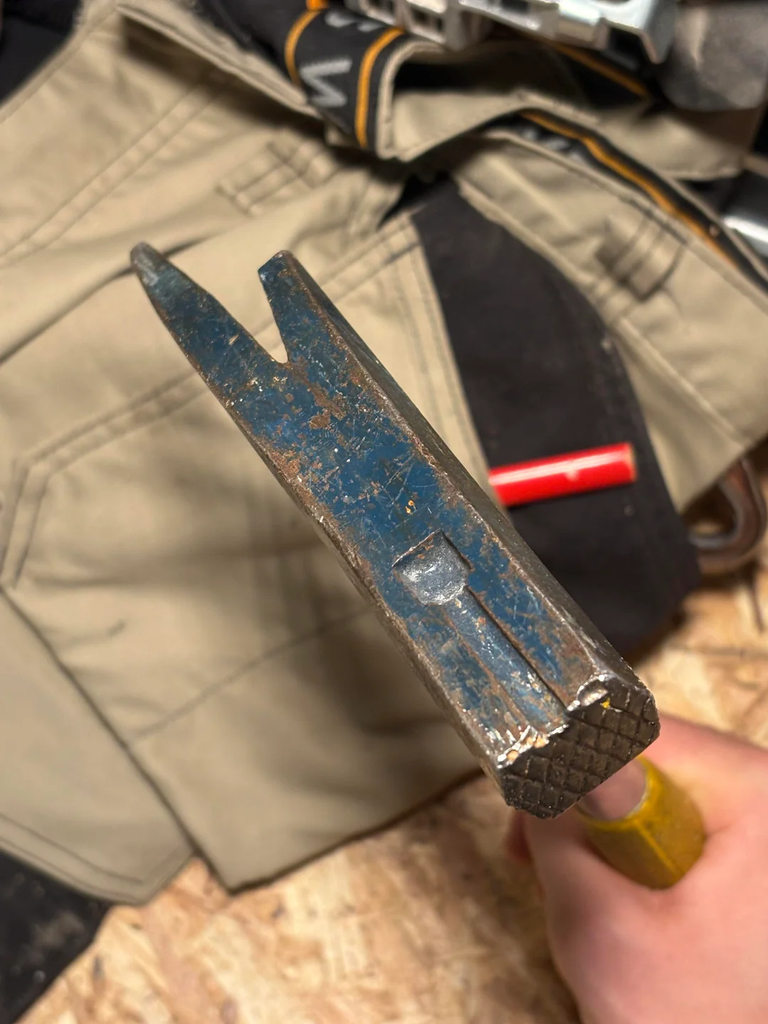
Checked Face
A checked face has a textured pattern.
The texture can help the face grip a nail head during a strike. This makes it useful for some rough carpentry tasks.
The trade-off is that a missed strike can leave a clear pattern in the wood. A checked face is therefore less suitable where the surface must remain clean.
Neither face type is best for every job.
Leather Grip or Two-Component Grip?
Grip choice is one of the clearest differences between the two series.
795 Series Leather Grip
PICARD describes the leather grip as resistant to twisting.
Whether it feels comfortable depends on your hand size, working style, and personal preference. A product description cannot show how it will feel during a long task.
If possible, hold the hammer before buying it.
595 Series Two-Component Grip
PICARD describes this grip as ergonomic and low-vibration. In simple terms, it is designed to support a comfortable hold and reduce vibration.
This is a manufacturer claim. The product information reviewed does not provide an independent test showing how much vibration it reduces.
Do not assume that either grip removes all shock from repeated hammering.
Understanding the Weight Labels
Weight is an important detail because some sales titles describe these tools as “22 oz,” while the manufacturer lists complete-tool weights near one kilogram.
These figures should not be treated as equal.
A weight in a sales title may refer to a nominal hammer size or another measurement. PICARD’s technical tables clearly label their figures as weight with handle.
Before ordering, ask the seller:
- Does the advertised weight describe the head or the complete hammer?
- Does the article number match the manufacturer’s listing?
- Is the supplied model leather-gripped or two-component?
- Is the face plain or checked?
Do not read the “-22” part of the article number as proof that the complete tool weighs 22 ounces.
What Jobs Is It Suitable For?
PICARD lists carpentry, joinery, and roofing among the application areas for these models.
Typical carpentry tasks include driving nails and removing suitable nails from wood. Face choice and user control affect how well the hammer suits a particular task.
Rough Timber Work
A rip hammer can be useful when working with timber where small surface marks are less important.
However, a heavier hammer only helps if you can control it accurately. Extra weight can also make repeated work tiring.
Home Repairs
The tool may suit larger wood repairs, but it could be more hammer than you need for occasional light work.
For example, hanging a small picture and removing nails from construction timber place different demands on a tool.
Choose the size and weight for the task rather than buying the heaviest option.
Work Requiring a Clean Finish
A plain face is usually the better starting point when visible marks matter.
Even then, a smaller finishing hammer may offer better control for delicate jobs.
Advantages and Limits
The Picard Full-Steel Rip Hammer has several useful published features, but they should be considered alongside its weight and intended use.
| Feature | Practical value | Point to consider |
|---|---|---|
| Forged steel handle | Provides a steel handle structure | It does not remove vibration |
| Two face options | Allows a choice for different tasks | Checked faces can mark wood |
| Magnetic nail holder | Helps start suitable nails | Nails still need secure placement |
| Two grip options | Gives buyers a choice of feel | Comfort is personal |
| Protective head finish | Helps resist corrosion | Dry storage remains important |
| Total weight near 1 kg | May suit some construction work | Can feel heavy for light repairs |
There is no verified basis here to call it the best hammer for every carpenter. That would require broader testing and comparison.
What to Check Before Buying
Start with your usual work.
For rough carpentry, consider whether a checked face would be useful. For jobs where appearance matters, look more closely at the plain version.
Then check the complete-tool weight. If possible, compare how the hammer feels beside a lighter model.
Also review:
- The full article number.
- Grip type and condition.
- Seller reputation.
- Delivery costs and import charges.
- Return terms.
- Written warranty conditions.
Prices vary by model, country, and seller. Compare matching article numbers so that you are comparing the same tool.
Basic Care and Safe Use
Wipe away dirt and moisture after use, then store the hammer somewhere dry. Follow PICARD’s instructions for caring for the grip and protective finish.
Before use, inspect the face, claw, steel body, and grip. Stop using a hammer with cracks, chips, or loose parts.
Wear safety glasses, keep a stable stance, and check the space around you before swinging. Strike squarely with the face rather than the side of the head.
Do not strike one hammer with another. Do not grind, weld, or heat a damaged head in an attempt to repair it.
Frequently Asked Questions
What is the Picard Full-Steel Rip Hammer used for?
It is a carpentry hammer used mainly for driving and removing nails. PICARD also lists joinery and roofing among its application areas.
What is the difference between the 595 and 795 series?
The 595 series has a two-component grip and black powder-coated head. The 795 series has a leather grip and bright head with a transparent protective coating.
How long is the hammer?
The four models covered here are listed at 347 mm overall, which is about 13.7 inches.
How much does it weigh?
PICARD lists the 795 versions at 1,000 g with the handle. The 595 versions are listed at 1,025 g with the handle.
Does “22 oz” mean the complete hammer weighs 22 ounces?
Not for the complete-tool figures listed here. Check whether the seller means a nominal size, head weight, or total weight before ordering.
Does it have a magnetic nail holder?
Yes. PICARD lists a magnetic nail holder on all four models covered in this guide.
Should I choose a plain or checked face?
A plain face is generally better where surface appearance matters. A checked face can help grip nail heads but can leave patterned marks on wood.
Is the leather grip better than the two-component grip?
Neither is automatically better. Choose based on comfort, control, and preference. PICARD describes the two-component grip as low-vibration.
Is it suitable for beginners?
A beginner can use a suitable hammer with proper guidance, but these models may feel heavy. Comfort and control should guide the choice.
Can the hammer rust?
Yes. Its protective finish helps resist corrosion, but steel can still rust. Keep it clean and dry, and inspect damaged areas.
About the Author