When people ask what caused Sean’s brain injury, they often expect a simple answer, such as hitting his head on the pavement or striking a car window. However, Sean Carter’s story teaches an important lesson about road safety: a person can suffer a serious brain injury even when their head does not directly hit an object. In Sean’s case, the violent movement of his head during a vehicle crash caused damaging forces inside his brain.
Sean was a passenger in a truck driven by a friend who had been drinking. The driver lost control, and the truck crashed into a tree in Wichita Falls, Texas, in March 2005. Sean survived but suffered a life-changing traumatic brain injury. His experience later became part of road-safety awareness efforts that warn people about the dangers of drinking and driving.
Understanding what happened to Sean helps explain how brain injuries can occur, why drunk driving is so dangerous, and why safe transportation choices matter.
What Caused Sean’s Brain Injury?
Sean’s brain injury resulted from the violent forces created during a serious vehicle crash. His head moved rapidly from side to side, causing his brain to move and rotate inside his skull. This movement stretched and damaged delicate nerve fibers in the brain.
The injury is described in the Impact Texas Young Drivers lesson as severe diffuse axonal injury (DAI). This type of traumatic brain injury can happen when sudden acceleration, deceleration, or rotation places extreme strain on the brain’s nerve connections.
The important point is that a direct hit to the head was not necessary to cause the injury. The movement itself created enough force to damage brain tissue.
For students answering the Impact Texas course question, the commonly provided correct option is “None of the above.” The other options suggest that Sean landed on his head, his head went through the passenger-side window, or an airbag caused the injury. The lesson explains that the damaging movement happened inside the skull.
Who Is Sean Carter?
Sean Carter is a survivor of a serious vehicle crash whose experience has been shared through road-safety education and public awareness campaigns.
Before the accident, Sean was a college student at Midwestern State University in Texas. He was studying Business Administration and had plans for his future. Like many young adults, he expected to continue his education and build a career.
His life changed on March 27, 2005. Sean was riding as a passenger in a truck with a college friend who had been drinking. The driver was not in a safe condition to drive. During the journey, the truck spun out of control and struck a tree.
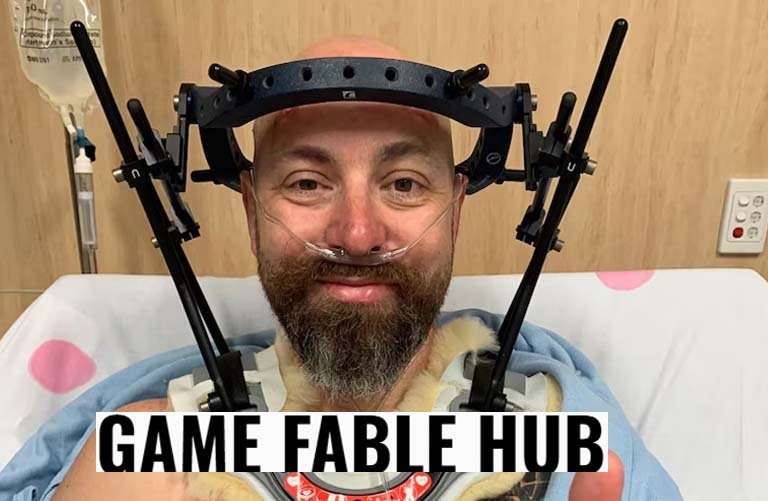
Sean suffered several serious injuries, including fractures and internal injuries. The most life-changing injury was the traumatic brain injury.
According to the story shared by the When Sean Speaks organization, Sean lost the ability to walk and speak in the way he could before the crash. However, he continued making progress and found ways to communicate with other people.
His experience became a powerful reminder that one unsafe decision can affect many lives.
How Did the Crash Lead to a Brain Injury?
A vehicle crash can produce several forces in a very short time. When a moving truck suddenly stops or changes direction, the people inside continue moving because of momentum.
The body may be restrained by a seat belt, but the head and brain can still experience rapid movement. If the head moves sharply in different directions, the brain can shift and rotate inside the skull.
This movement can place stress on the brain’s internal structures. In severe cases, the stress damages axons, which are the long fibers that help nerve cells communicate.
Sean’s story is often used to explain this type of injury. The main lesson is that a brain injury does not always require a visible wound, a broken skull, or a direct impact.
Understanding the Movement Inside the Skull
The brain is soft tissue protected by the skull and surrounded by fluid. This protection helps reduce the effects of normal movement and small impacts.
However, the protection has limits. During a serious crash, the head can accelerate, stop, or rotate very quickly. The brain may not move at exactly the same speed as the skull.
This difference creates forces within the brain. When those forces are strong enough, they can stretch or damage nerve fibers.
A simple way to understand this is to imagine a soft object moving inside a container. If the container suddenly changes direction, the soft object may continue moving before it catches up. The brain is more complex, but the example helps explain why sudden movement can cause internal damage.
What Is Severe Diffuse Axonal Injury?
Diffuse axonal injury is a type of traumatic brain injury. It involves damage to axons, which are the connections that carry signals between nerve cells.
These connections are important because different parts of the brain need to communicate to control movement, speech, memory, attention, and other functions.
The word “diffuse” means the damage can affect several areas rather than being limited to one small location. This can make the injury especially serious.
Medical references explain that rapid rotational and acceleration-deceleration forces can stretch and damage the brain’s white-matter pathways. High-speed vehicle collisions are among the situations in which these forces can occur.
The exact symptoms and long-term effects depend on the severity and location of the damage.
Why Was Sean’s Injury So Serious?
A severe brain injury can affect more than one part of a person’s life. It may change how someone moves, speaks, remembers information, understands situations, or completes everyday activities.
Sean’s experience shows how serious these changes can be. Before the crash, he was a college student with ordinary plans and responsibilities. After the accident, he needed major support with activities that many people perform without thinking.
His injury affected his ability to walk and speak. These changes also affected his family, because recovery and daily care required time, patience, and support.
Effects on Movement and Physical Ability
The brain controls movement by sending signals through the nervous system. When an injury damages important pathways, a person may have difficulty standing, walking, balancing, or controlling certain muscles.
Some people need a wheelchair or walking support. Others may need physical therapy to improve strength, balance, and coordination.
Recovery varies from person to person. The type of injury, its severity, medical treatment, and rehabilitation all influence the outcome.
Effects on Speech and Communication
Brain injuries can also affect communication. A person may understand what others say but have difficulty producing speech.
In some cases, communication technology can help. Devices and computer programs allow people to type messages and use a digital voice to express their thoughts.
Sean has used an iPad-based communication method to share his message. This has allowed him to take part in public presentations and speak to students through technology.
His story shows that losing the ability to speak normally does not mean losing the ability to communicate, think, or connect with others.
Effects on Family Life
A serious accident affects more than the person who is injured. Family members may become caregivers and face new emotional, physical, and financial responsibilities.
They may need to attend medical appointments, arrange rehabilitation, make changes at home, and provide daily support.
Sean’s mother, Jenny, has been part of his journey and public awareness work. Together, they have shared his experience to help other people understand the consequences of impaired driving.
What Is the Correct Answer in the Impact Texas Young Drivers Course?
People searching for what caused Sean’s brain injury may be trying to answer a multiple-choice question in the Impact Texas Young Drivers course.
The options commonly shown are:
- He landed on his head on the pavement.
- Sean’s head went through the passenger-side window.
- The airbag deployed.
- None of the above.
The answer is None of the above.
The explanation is that Sean’s brain was injured by the rapid movement of his head during the crash. His head moved from side to side, and the resulting forces damaged the brain’s internal nerve connections.
This question is designed to teach an important safety lesson. People often connect brain injuries with direct head impacts, but some serious injuries happen because of rapid movement inside the skull.
The course uses real-life experiences to make road-safety lessons easier to understand and remember.
How Does Diffuse Axonal Injury Happen in a Car Crash?
Diffuse axonal injury can happen when a strong force causes the head to move suddenly. The movement may include rotation, forward motion, backward motion, or a combination of directions.
During a vehicle collision, several events can happen almost at once:
- The vehicle is moving before the crash.
- The vehicle suddenly slows down or changes direction.
- The passenger’s body and head continue moving because of momentum.
- The head may rotate or move sharply.
- Internal forces stretch or damage delicate brain nerve fibers.
This process can happen very quickly. A person may not have time to protect themselves or understand what is happening.
It is also important to know that not every crash causes diffuse axonal injury. The result depends on the force, direction, speed, restraint use, and many other factors.
Can a Brain Injury Happen Without a Direct Head Hit?
Yes. A person can suffer a traumatic brain injury without directly striking their head against a hard surface.
Sudden acceleration, deceleration, and rotation can create forces that damage the brain. This is one reason why a person should receive medical attention after a serious collision, even if there is no visible head wound.
A lack of cuts or bruises does not prove that the brain is unharmed. Medical professionals use examinations, medical history, and imaging when appropriate to assess possible injuries.
Anyone involved in a serious crash should follow emergency medical advice rather than trying to judge the injury by appearance alone.
Why Does the Impact Texas Program Share Sean’s Story?
The Texas Department of Public Safety created the Impact Texas Drivers program to educate drivers about road safety. Its lessons include real-life stories that show the consequences of unsafe driving choices.
Sean’s experience is connected to a wider message about drinking and driving. He was a passenger in a truck driven by a friend who had been drinking. The crash changed his life and affected his family.
The Texas Department of Transportation has also shared Sean’s story through its drunk-driving awareness work. The purpose is to help people understand that impaired driving can cause serious injuries, not just traffic tickets or vehicle damage.
A personal story can make a safety message feel more real. Reading about a crash is one thing, but learning how a survivor’s life changed can help students understand the human cost.
What Can Drivers Learn From Sean’s Experience?
Sean’s experience offers several lessons for new and experienced drivers.
Never Ride With an Impaired Driver
If someone has been drinking, do not accept a ride from them. Even if the person seems confident, alcohol can affect judgment, reaction time, coordination, and decision-making.
Arrange a sober driver, use a trusted ride service, or find another safe way home.
Plan a Safe Ride Before Going Out
It is easier to make a safe decision before drinking begins. Decide how everyone will get home and make sure the driver stays sober.
Do not depend on last-minute promises from someone who has been drinking.
Wear a Seat Belt
Seat belts reduce the risk of serious injury and death in many types of vehicle crashes. Drivers and passengers should wear them correctly on every trip.
A seat belt does not prevent every injury, but it helps restrain the body and reduce the risk of being thrown around or out of the vehicle.
Avoid Distracted Driving
Drivers should keep their attention on the road. Texting, using a phone, eating, or trying to do several things at once can take attention away from driving.
Even a short distraction can make it harder to respond to a sudden hazard.
Take Road Safety Seriously
Safe driving is not only about following traffic rules during a test. It is about making responsible decisions every time someone gets into a vehicle.
Sean’s story reminds drivers that the consequences of one poor choice can last for years.
Can People Recover From Severe Diffuse Axonal Injury?
Recovery from diffuse axonal injury depends on the extent of the damage and the person’s overall condition. Some people make significant progress, while others experience long-term difficulties.
Rehabilitation may include physical therapy, occupational therapy, speech therapy, and other forms of support. The treatment plan depends on the person’s needs and medical assessment.
Physical therapy can help improve movement, balance, and strength. Speech and language therapy may support communication and swallowing when needed. Occupational therapy can help people practice everyday activities and build independence.
Recovery does not always follow a straight line. Progress may be slow, and some abilities may remain limited. Support from family, healthcare professionals, and rehabilitation teams can make a meaningful difference.
Sean’s journey shows that a serious brain injury can change a person’s life, but it does not remove their value, personality, or ability to connect with others.
Frequently Asked Questions
1. What caused Sean’s brain injury?
Sean suffered a traumatic brain injury after a truck crash in Wichita Falls, Texas, in March 2005. The Impact Texas lesson explains that rapid side-to-side movement of his head caused damaging forces inside his brain.
2. What is the correct answer to the Sean brain injury question?
The commonly provided answer in the Impact Texas Young Drivers lesson is None of the above. The injury was caused by violent head movement during the crash, rather than one of the listed direct-impact options.
3. Who is Sean in the Impact Texas course?
Sean is Sean Carter, a survivor of a serious truck crash in Texas. His story is shared through road-safety awareness efforts to explain the consequences of impaired driving.
4. Was Sean’s brain injury caused by hitting his head on the pavement?
The course explanation says that a direct hit to the pavement did not cause his injury. It describes damaging movement of the head and brain during the collision.
5. What is severe diffuse axonal injury?
Severe diffuse axonal injury is a serious type of traumatic brain injury. It happens when strong forces stretch or damage axons, the nerve fibers that help different parts of the brain communicate.
6. Can someone suffer a brain injury without hitting their head?
Yes. Rapid acceleration, deceleration, or rotation can damage brain tissue even without a direct blow to the head. A serious collision can create these forces.
7. When did Sean’s accident happen?
Sean’s crash happened on March 27, 2005, in Wichita Falls, Texas. He was a passenger in a truck driven by a friend who had been drinking.
8. How did Sean’s injury affect his life?
Sean’s traumatic brain injury affected his ability to walk and speak. He has used communication technology to share his thoughts and take part in awareness presentations.
9. Why is Sean’s story included in driver education?
His story helps students understand the serious consequences of drinking and driving. It shows that an impaired-driving decision can change the lives of passengers, families, and communities.
10. What is the main lesson from Sean’s brain injury?
The main lesson is that serious brain injuries can happen without a direct head impact. Drivers should stay sober, avoid distractions, wear seat belts, and plan safe transportation before going out.
Conclusion
So, what caused Sean’s brain injury? His injury followed a serious truck crash in which violent movement of his head created damaging forces inside his brain. The Impact Texas lesson describes this as severe diffuse axonal injury and uses the answer “None of the above” to explain why the listed direct-impact options are incorrect.
Sean Carter’s experience is more than a driving-course question. It is a reminder that impaired driving can have life-changing consequences for passengers and their families. A safe ride, a sober driver, and responsible decisions can help prevent tragedies.
The most important lesson is simple: never take a risk with someone else’s life or your own. Plan a safe journey, stay focused on the road, and never drive under the influence of alcohol.
About the Author